

At Concussion Management of New York, our goal is simple: to help patients return to school, work, sport, and daily life safely, quickly, and confidently after a concussion. As the leading independent concussion clinic in New York City and part of the Trusted Rehabilitation Network at Mount Sinai, we use evidence-based methods to support safe, complete recovery. One of the most important techniques we use in this process is neuro training—an individually tailored approach designed to retrain how the brain and body work together in each specific case.
Concussions are not just “head injuries.” They affect how the brain processes information, controls movement, and responds to physical and cognitive stress—and every concussion is different. Neuro training addresses each affected system directly and specifically, based on a patient’s unique assessment results, helping patients recover more completely and reduce the risk of lingering symptoms.
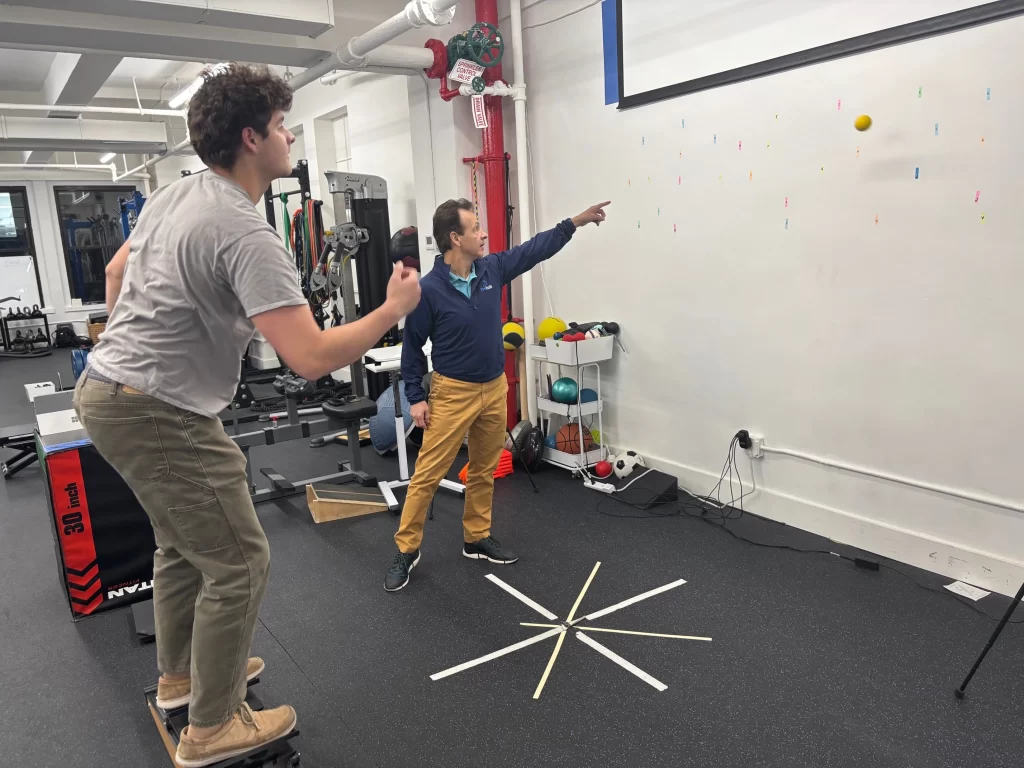
What Is Neuro Training for Concussion?
Neuro training is a structured, progressive form of concussion rehabilitation that focuses on improving brain function through movement, balance, visual tasks, and cognitive challenges. It is a core component of modern concussion management and post-concussion care. After a concussion, the brain may struggle with tasks that were once automatic—such as tracking objects with the eyes, maintaining balance, or processing information quickly.
Neuro training is designed to:
- Improve communication between the brain and body
- Restore coordination, balance, and reaction time
- Address visual and vestibular deficits
- Build tolerance to physical and cognitive activity
This type of training is always individualized and adjusted based on symptoms, clinical findings, and recovery stage.
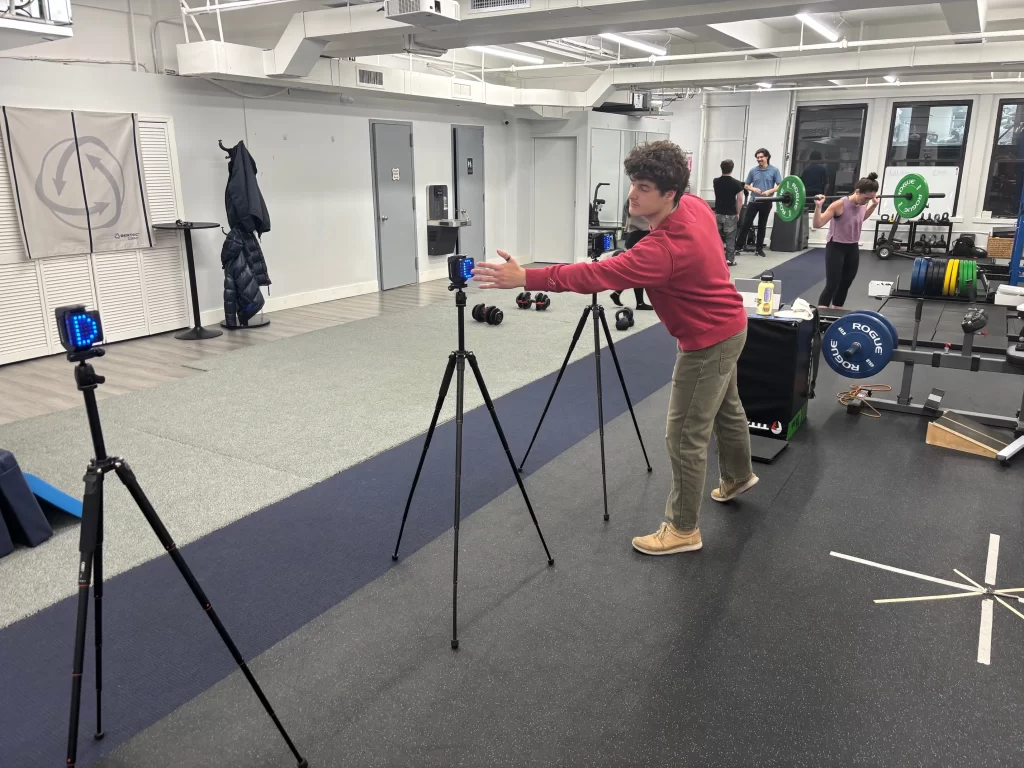
Why Neuro Training Matters in Concussion Recovery
Many concussion symptoms—such as headaches, dizziness, brain fog, light sensitivity, or difficulty concentrating—are linked to disruptions in neurological systems rather than structural damage. Effective concussion treatment must address these neurological impairments directly. Rest alone is often not enough to resolve these issues.
Neuro training helps by gradually reintroducing controlled stress to the nervous system. This allows the brain to adapt, recalibrate, and regain efficiency in a safe, monitored way.
Without targeted neuro training, patients may:
- Experience prolonged symptoms
- Struggle with return-to-play or return-to-work transitions
- Compensate with poor movement patterns that increase injury risk
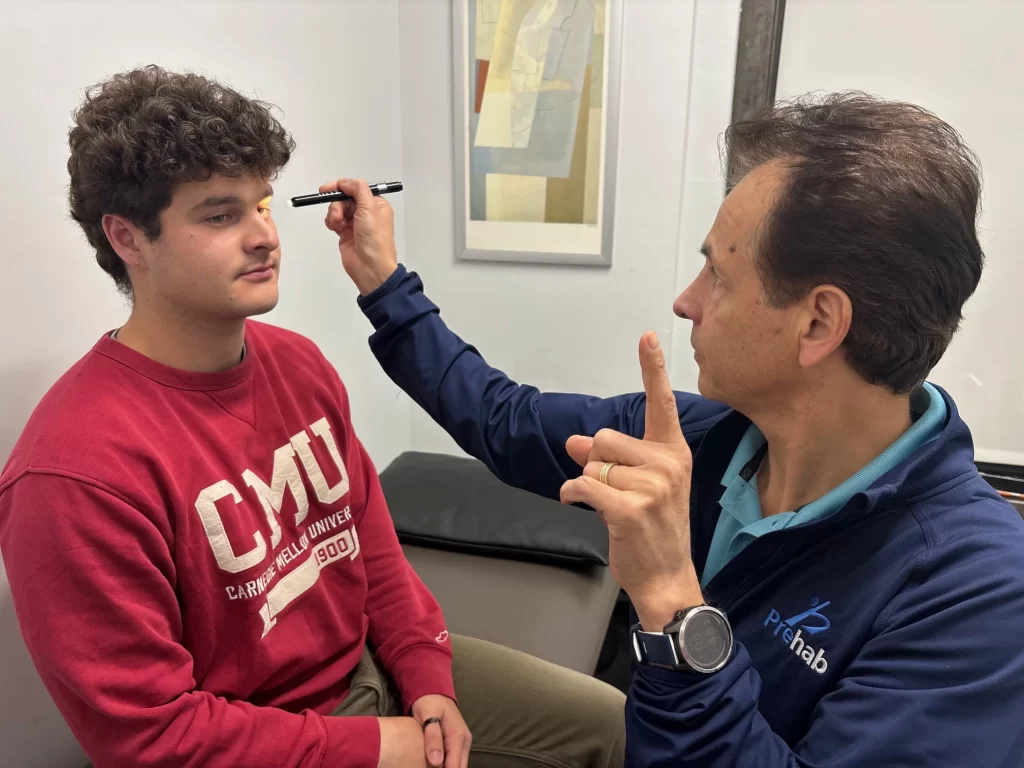
Key Components of Neuro Training for Concussion Treatment
At Concussion Management of New York, neuro training may include a combination of the following, depending on individual needs:
Balance and Vestibular Training
Balance deficits and dizziness are common after concussion. Vestibular-focused exercises help retrain the brain’s ability to process head movement and spatial awareness.
Visual and Oculomotor Training
Eye tracking, focusing, and visual processing are frequently affected after concussion. Neuro training targets these systems to reduce symptoms such as eye strain, headaches, and difficulty reading or using screens.
Reaction Time and Coordination Training
Delayed reaction time can impact both athletic performance and everyday safety. Controlled drills help restore speed, accuracy, and coordination.
Cognitive-Motor Integration Training
Real-life activities require thinking and moving at the same time. Neuro training often combines physical movement with cognitive tasks to improve multitasking and mental endurance.
Gradual Return-to-Activity Progressions
As tolerance improves, training progresses to sport-specific, school-related, or work-related demands to ensure a smooth and confident return.
Who Can Benefit From Neuro Training After a Concussion?
Neuro training is appropriate for patients seeking specialized concussion care, including:
- Athletes returning to sport
- Students struggling with school-related symptoms
- Adults with persistent post-concussion symptoms
- Individuals with dizziness, balance issues, or visual disturbances
Whether symptoms are recent or have persisted for months, a structured neuro training program can play a critical role in recovery.
Our Approach to Neuro Training at Concussion Management of New York
We take an evidence-based, patient-centered approach to concussion care. Neuro training is never one-size-fits-all. Each program is guided by a comprehensive evaluation and adjusted based on how the patient responds over time.
Our team closely monitors symptoms, performance, and recovery markers to ensure progress is safe, effective, and aligned with each patient’s goals.
If you or someone you know is struggling after a concussion, neuro training may be an important next step in the recovery process—especially when guided by an experienced concussion specialist in NYC.
Looking for expert concussion treatment in New York City?
Contact Concussion Management of New York to schedule a comprehensive concussion evaluation and learn how neuro training can support your recovery and safe return to daily activities, work, or sport.